

table of contents
A one-size-fits-all approach to social media no longer works. Audience attention is fragmented, and to connect with customers and drive measurable growth, businesses must diversify their strategy. This is especially true for small and mid-sized businesses and e-commerce brands where every marketing dollar counts. Success requires a deep understanding of the various types of social media content and knowing exactly how to deploy them across different platforms to achieve specific goals.
Simply posting the same kind of update repeatedly isn’t enough to stand out. A winning presence depends on a smart mix of formats designed to educate, entertain, build trust, and inspire action. This guide moves beyond generic advice to provide a definitive roundup of the 12 most impactful content types you can use right now. For each format, we will break down what it is, which platforms it works best on, and how your business can use it to generate leads and sales.
We’ll cover everything from educational videos and client success stories to interactive polls and behind-the-scenes glimpses into your company culture. You will find actionable creation tips, real-world examples, and the key performance indicators (KPIs) you should track for each content type. This playbook is designed to help you build a resilient, revenue-focused social media strategy that delivers tangible results, whether you’re a local service provider in Tampa Bay or an e-commerce brand selling nationwide. Let’s get started.
1. Educational How-To Videos and Tutorials
Educational how-to videos and tutorials are one of the most effective types of social media content for building authority and trust. This content format directly addresses audience pain points by teaching them how to solve a specific problem or master a new skill. For a digital marketing agency, this could mean creating a tutorial on setting up a Google Business Profile or explaining the basics of keyword research for a local service business.
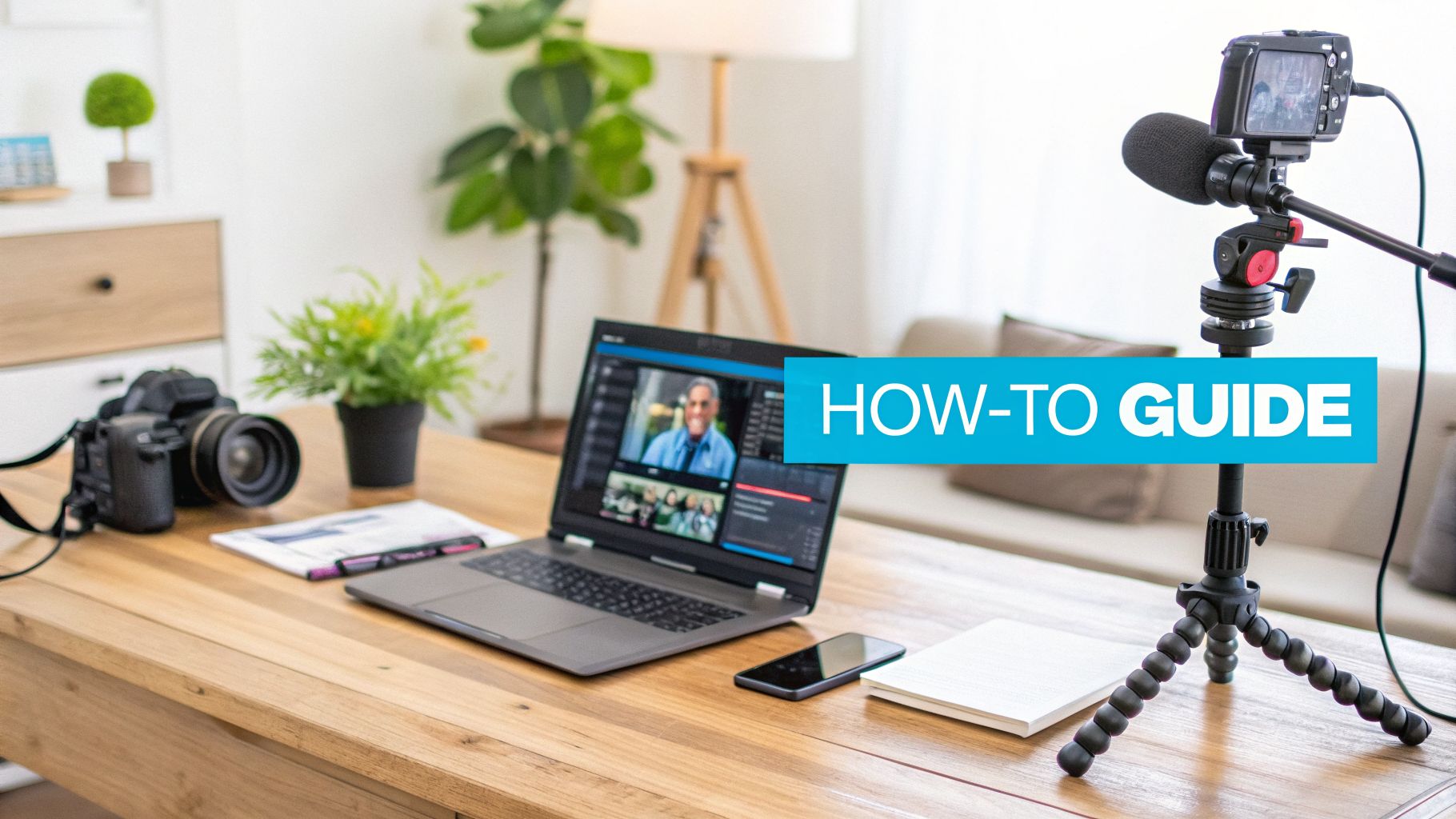
These videos demonstrate your expertise and provide genuine value, which fosters goodwill with potential clients. Brands like HubSpot and Moz built their reputations by consistently producing high-quality marketing tutorials on YouTube, establishing themselves as go-to resources. The goal is to position your business as a helpful expert, not just a seller.
Actionable Tips for Implementation
To get started, create a content plan based on frequently asked client questions. This ensures your videos are relevant and in-demand.
- Optimize for Discovery: Use keyword-rich titles and descriptions to improve search visibility on platforms like YouTube and Google.
- Create Compelling Thumbnails: Design thumbnails with bold text overlays and contrasting colors to grab attention and increase click-through rates.
- Improve User Experience: For longer videos (over 5 minutes), add timestamps in the description so viewers can easily navigate to the sections they need.
- Repurpose Content: Not every video needs to be a long-form production. For instance, you can easily repurpose your longer videos and learn how to effectively create YouTube Shorts from existing videos to reach a wider audience.
- Include a Clear CTA: End your videos by guiding viewers to the next step, such as downloading a free guide or booking a consultation.
This strategy is a cornerstone of effective video marketing for small businesses, as it directly converts expertise into leads.
2. Client Success Stories and Case Studies
Client success stories and case studies are among the most persuasive types of social media content for building trust and demonstrating tangible value. This format moves beyond claims by showcasing real results achieved for past clients, detailing the challenges, the strategies implemented, and the specific, measurable outcomes. For a service-based business, like a marketing agency, this offers powerful social proof that builds confidence in potential clients.

These narratives prove your ability to deliver on promises and justify your pricing. Brands like HubSpot and numerous B2B agencies feature extensive case study libraries to show prospects exactly what they can expect. The goal is to let your results speak for themselves, transforming abstract services into concrete success stories that resonate with a target audience’s goals, like lead generation or sales growth.
Actionable Tips for Implementation
Start by identifying your most successful client projects and ask for permission to feature their story. This ensures your best work is front and center.
- Standardize Your Format: Create a case study template for consistent branding. Always include sections for the client’s problem, your solution, and the measurable results.
- Focus on Metrics: Highlight specific numbers that matter to your audience, such as revenue growth, lead increase percentage, or keyword ranking improvements.
- Repurpose for Social: Break down a full case study into smaller, digestible pieces. Create a carousel post for Instagram or LinkedIn that summarizes the key points.
- Incorporate Video: Add authenticity by including short testimonial clips from the client within your social posts or on the full case study page.
- Segment by Industry: Organize your case studies by client industry (e.g., legal, e-commerce, home services) so prospects can easily find relevant examples.
This approach is highly effective for converting interested prospects into paying clients, as it directly addresses their primary concern: “Can you get results for a business like mine?”
3. Carousel Posts and Multi-Slide Content
Carousel posts are a powerful type of social media content that packages information into an interactive, multi-slide format. Found on platforms like Instagram and LinkedIn, they invite users to swipe through a series of related images or graphics. This format excels at breaking down complex topics into digestible pieces, turning a single post into an engaging micro-story. For a professional services firm, this could be a carousel explaining the “5 Steps to Prepare for Tax Season” or a visual guide to a new industry regulation.
This method keeps users engaged on your post longer, a signal that algorithms favor. Brands like Hootsuite and Later have mastered this format, using carousels to share marketing tips and industry insights, establishing themselves as educational leaders. The goal is to deliver significant value in a compact format, encouraging saves and shares while deepening audience connection.
Actionable Tips for Implementation
To create effective carousels, think of each one as a mini-presentation. Your first slide must hook the viewer, while the following slides deliver on that promise.
- Hook with the First Slide: Start with a bold statement, a thought-provoking question, or a clear benefit to stop users from scrolling past.
- Maintain Visual Consistency: Use a consistent design template, color scheme, and font across all slides to create a professional and cohesive look.
- Keep Text Brief: Limit text to a maximum of 2-3 short lines per slide for better readability on mobile devices. Use visuals to tell most of the story.
- Encourage Completion: Number your slides (e.g., 1/8, 2/8) to create a sense of progression and motivate users to swipe all the way to the end.
- End with a Strong CTA: The final slide is your opportunity to drive action. Prompt viewers to comment with their thoughts, save the post for later, or visit the link in your bio.
4. Quick Tips and Bite-Sized Educational Posts
Quick tips and bite-sized educational posts are short, high-impact content pieces that deliver immediate value to your audience. This format, often presented as text graphics or short video clips, is perfect for conveying a single, actionable idea that can be consumed in seconds. For a home services company, this could be a “Pro Tip” graphic on how to prevent common plumbing issues or a quick checklist for seasonal HVAC maintenance.
This strategy keeps your brand top-of-mind by providing a consistent stream of helpful information without overwhelming your followers. Experts like Neil Patel use this method to share daily SEO tips, reinforcing their authority and keeping their audience engaged. These posts are one of the most efficient types of social media content because they are easy to produce and highly shareable.
Actionable Tips for Implementation
The key to success with quick tips is consistency in both scheduling and design. Creating templates with your brand’s colors and fonts will speed up production and make your content instantly recognizable.
- Frame Your Tips: Start posts with familiar hooks like “Pro Tip:” or “Did You Know?” to signal to your audience that a valuable piece of information is coming.
- Use Numbered Lists: Structure tips with numbers (e.g., “3 Ways to Improve Your Google Ranking”) to make the information easy to digest and increase engagement.
- Create Themed Content: Develop a themed series, such as “Marketing Monday” or “Website Tip Wednesday,” to build anticipation and create a predictable content rhythm.
- Plan Ahead: Incorporating these daily or weekly tips is much easier when you learn how to create a content calendar to organize your ideas and schedule posts in advance.
- Use Relevant Hashtags: Include a mix of broad and niche hashtags (#MarketingTips, #LocalSEO, #TampaBusiness) to improve discoverability among your target audience.
5. Infographics and Data Visualizations
Infographics and data visualizations are powerful types of social media content that transform complex information into digestible, shareable graphics. They use a combination of charts, icons, and minimal text to explain processes, showcase statistics, or break down intricate topics. For a marketing agency, an infographic could illustrate the anatomy of a perfect landing page or present key industry statistics from a recent study.
This format positions your brand as an authority by making data accessible and visually appealing. Companies like HubSpot and Statista regularly publish high-quality infographics that get shared widely, reinforcing their expertise. The goal is to present valuable information in a way that is easy to understand at a glance, making your brand a go-to source for industry insights.
Actionable Tips for Implementation
Start by identifying complex topics or compelling data points relevant to your audience. Proprietary research or unique data compilations offer the most value.
- Prioritize Visual Clarity: Stick to two or three complementary brand colors and use icons to represent ideas. Keep text brief and to the point.
- Cite Your Sources: Build credibility by listing all data sources at the bottom of the infographic, including links where applicable.
- Optimize for All Platforms: Create a vertical version for social media feeds (like Pinterest and Instagram Stories) and a horizontal one for your blog or website.
- Brand Everything: Include your company logo and website URL on the graphic to ensure brand recognition as it gets shared across the web.
- Ensure Readability: Use large, clear fonts that are easy to read on mobile devices, where most social media content is consumed.
- Create an SEO Companion: Publish the infographic within a detailed blog post. This allows you to expand on the data and target relevant keywords, improving search engine visibility for your content marketing services.
6. Live Videos and Q&A Sessions
Live videos and Q&A sessions are a powerful way to create authentic, real-time connections with your audience. This content format involves broadcasting directly to followers on platforms like Instagram Live, Facebook Live, or YouTube Live, creating a sense of urgency and direct access. For a home services company, this could be a live Q&A with a master plumber answering common homeowner questions or a real-time walkthrough of a kitchen renovation project.
These unedited, interactive broadcasts build trust by showing the human side of your brand. Marketing leaders like Neil Patel and Gary Vaynerchuk use live sessions to discuss industry trends and answer audience questions on the spot, solidifying their authority. The goal is to foster a community and give followers a reason to engage with you at a specific time, making your brand a can’t-miss event.
Actionable Tips for Implementation
To make your live videos successful, consistency and promotion are key. Planning your sessions ensures you provide value while remaining open to audience interaction.
- Promote in Advance: Announce your live session 2-3 days beforehand across all your social channels and email list to build anticipation and maximize attendance.
- Prepare Your Setup: Ensure you have a stable internet connection, good lighting, and a clean, professional background to avoid technical issues.
- Set an Agenda: Have a clear topic or set of talking points ready, but be prepared to deviate to answer questions from the audience.
- Engage and Moderate: Assign a team member to moderate comments, highlight key questions, and engage with viewers in the chat.
- Repurpose the Recording: After the broadcast, download the video. You can edit it into shorter clips, a full YouTube video, or a podcast episode to extend its reach.
- Include a Clear CTA: End the session with a specific call to action, such as encouraging viewers to sign up for a newsletter or book a free consultation.
7. User-Generated Content and Client Testimonials
User-Generated Content (UGC) and client testimonials are powerful forms of social proof where your customers do the marketing for you. This includes customer reviews, unboxing videos, before-and-after photos, and success stories. Because it comes from real people, this type of content is seen as highly authentic and trustworthy, directly influencing purchase decisions and driving conversions.
This content format turns happy customers into a credible marketing force. Brands like Yelp and TripAdvisor built their entire platforms on UGC, while e-commerce sites like Amazon rely heavily on customer reviews to build buyer confidence. The core idea is to showcase genuine satisfaction, making your brand’s promises more believable and compelling.
Actionable Tips for Implementation
Start by actively encouraging and collecting content from your satisfied clients. A simple request at the right time can generate a steady stream of valuable social proof.
- Launch a Hashtag Campaign: Create a unique, branded hashtag and encourage customers to use it when posting photos or videos with your product for a chance to be featured.
- Time Your Requests: Ask for reviews and testimonials immediately after a successful project completion or positive customer service interaction when satisfaction is highest.
- Incentivize Video Testimonials: Offer a small discount or a freebie in exchange for a short 30-60 second video testimonial. Video is significantly more engaging and persuasive than text alone.
- Repost and Give Credit: Always repost customer content on your own channels, making sure to tag and credit the original creator. This shows appreciation and encourages more submissions.
- Be Specific with Prompts: When asking for feedback, guide clients to provide concrete results. Ask questions like, “What was your website traffic before and after our SEO work?” This adds quantifiable credibility.
Building a strong collection of positive reviews is essential for local businesses, and understanding why online reviews matter can give you a significant competitive advantage.
8. Interactive Polls, Quizzes, and Surveys
Interactive polls, quizzes, and surveys are powerful types of social media content that turn passive viewers into active participants. These formats invite your audience to share their opinions, test their knowledge, or provide feedback, creating a direct line of two-way communication. For a professional service business, this could be a simple LinkedIn poll asking, “Which marketing channel do you trust most?” to gather industry sentiment.
This approach is highly effective for boosting engagement metrics and collecting valuable audience data. Brands like HubSpot and Hootsuite frequently use polls on LinkedIn to spark conversations about industry trends and validate their content strategy. By asking questions, you show that you value your audience’s input, making them feel heard and involved with your brand.
Actionable Tips for Implementation
To get the most out of interactive content, focus on asking questions that are relevant to your audience’s interests and your business goals. This ensures participation and provides useful insights.
- Ask Industry-Relevant Questions: Create polls that tap into professional curiosity, such as comparing tools, strategies, or platforms (e.g., “Google Ads vs. Facebook Ads: Which drives better ROI for you?”).
- Encourage Deeper Engagement: Add a call to action in your poll’s caption, like “Vote and explain your choice in the comments,” to stimulate discussion and gain qualitative insights.
- Follow Up with Results: Share the poll results promptly in a new post or story. Explain what the data suggests and thank your audience for participating to close the loop.
- Use Quizzes for Lead Generation: Develop a quiz like “What’s Your Digital Marketing IQ?” and gate the results with an email sign-up form. This offers value in exchange for a lead.
- Repurpose Poll Data: Analyze the insights gathered from your polls and surveys and turn them into a new piece of content, such as a blog post, infographic, or video discussing the findings.
9. Behind-the-Scenes and Company Culture Content
Authentic behind-the-scenes (BTS) and company culture content humanizes your brand, building a powerful connection with your audience. This approach pulls back the curtain, showing the real people, processes, and environment that make your business tick. For a professional service firm, this might involve sharing a “day in the life” Reel or featuring a team member’s story, making the company more relatable and trustworthy.

Sharing these moments demonstrates transparency and builds community, which is essential for fostering loyalty. Brands like HubSpot and Buffer excel at this, using Instagram and blog series to showcase their work culture and team members. The objective is to move beyond transactional relationships and show that your company is powered by passionate, genuine people.
Actionable Tips for Implementation
To start, ask your team what aspects of their work they’d be excited to share. This ensures the content is authentic and easy to produce.
- Establish a Themed Series: Create a recurring feature like “Team Tuesday” or “Founder Friday” to maintain consistency and give your audience something to look forward to.
- Showcase the Process: Don’t just post about successes. Share clips from team brainstorms, project kick-offs, or even how you pack an e-commerce order to provide real insight.
- Create ‘Meet the Team’ Content: Film short video introductions for new hires or create posts that share a team member’s role, hobbies, and what they enjoy about their job.
- Encourage Team Contributions: Ask your staff to capture and send candid photos or video clips from their workday. This creates a steady stream of user-generated internal content.
- Highlight Company Values: Instead of just listing your values, show them in action. Film a team volunteer day or a training session that reflects your company’s core principles.
This strategy is an effective part of any social media plan, as it turns brand transparency into tangible customer trust and affinity.
10. Comparison Content and Competitive Analysis
Comparison content is a powerful format that directly assists your audience in their decision-making process. This type of social media content involves creating “X vs. Y” posts, pros and cons lists, or detailed charts that evaluate different tools, strategies, or platforms. For a business audience, this could be a breakdown of HubSpot vs. Salesforce or a side-by-side analysis of Mailchimp vs. ActiveCampaign.
This content positions your brand as an impartial, knowledgeable guide. Instead of just selling your solution, you are helping customers navigate a complex market. By providing clear, objective analysis, you build significant trust and authority, making potential clients more likely to turn to you for expert advice and services. It shows you understand the industry deeply, not just your own offerings.
Actionable Tips for Implementation
To create effective comparison content, focus on the real questions your audience is asking. This ensures your analysis is immediately useful and shareable.
- Focus on Audience Needs: Choose comparisons that address common dilemmas your customers face, like picking the right software or e-commerce platform.
- Use Visual Formats: Create a carousel post for Instagram or a simple graphic for other platforms that highlights key differentiators, pricing, and features in an easy-to-scan format.
- Be Transparent: If you recommend one option over another or have a partnership, acknowledge it. Honesty builds more trust than a biased review.
- Provide Use-Case Scenarios: Frame your advice clearly: “Use Tool A if your priority is X, but choose Tool B if your main goal is Y.” This adds practical value.
- Avoid Negative Framing: Instead of calling one product “worse,” focus on its “different strengths” or how it’s suited for a different type of user. This maintains a professional and helpful tone, which is essential for effective benchmarking with competitors.
- Keep It Updated: Tools and platforms change. Revisit and update your comparison content quarterly or biannually to ensure its accuracy and relevance.
11. Actionable Checklists and Downloadable Resources
Actionable checklists and downloadable resources are potent tools for generating leads and building authority on social media. This content format provides practical, high-value assets like templates, frameworks, and guides that solve specific audience problems. By offering these resources in exchange for an email address (a practice known as “gating”), you can directly capture contact information from interested prospects.
These lead magnets position your business as a helpful expert, not just a service provider. Brands like HubSpot and Buffer have become industry mainstays by offering extensive libraries of marketing templates and planning guides. The key is to deliver genuine utility that helps your audience succeed, making them more likely to consider your paid services when the need arises.
Actionable Tips for Implementation
To start, identify common client roadblocks or frequently asked questions that can be solved with a simple, structured document. This makes your resources immediately relevant.
- Create Topic-Specific Resources: Develop assets that address a single, specific pain point. For a marketing agency, this could be a “Local SEO Audit Checklist” or a “PPC Campaign Setup Template.”
- Design for Professionalism: Use a professional design tool to create a branded PDF with your logo and brand colors. A polished look reinforces credibility.
- Promote with Previews: Share visually appealing snippets or mockups of your resource on social media to entice users to download the full version.
- Track Performance: Monitor download numbers for each resource. This data helps you identify which topics resonate most with your audience and signals which leads are most interested.
- Include a Clear Next Step: Within the downloadable resource itself, guide the user on what to do next, such as booking a free consultation or visiting a relevant service page.
12. Thought Leadership Articles and Industry Commentary
Thought leadership articles and industry commentary are long-form pieces of content that share your expert insights, unique perspectives, and predictions. This is one of the more advanced types of social media content, moving beyond simple updates to establish you and your business as a true authority. Instead of just participating in the conversation, you lead it by publishing in-depth analysis on your blog, LinkedIn, or Medium.
This content format builds immense credibility. For a digital marketing agency, this could be a detailed article on LinkedIn Pulse outlining a proprietary “5-Step AI SEO Framework” or an opinion piece on an industry publication like Search Engine Journal that challenges a common marketing assumption. By providing a fresh perspective backed by experience, you attract a high-quality audience of peers and potential high-value clients. Neil Patel and HubSpot have built empires by consistently publishing in-depth articles that define industry best practices.
Actionable Tips for Implementation
The goal is to create content that becomes a reference point within your industry. Start by identifying a nuanced or controversial topic where you have a unique viewpoint.
- Create Unique Frameworks: Develop and name your own methodologies. This makes your ideas memorable and directly attributable to your brand.
- Incorporate Original Data: Back up your claims with proprietary data, internal research, or unique findings from client case studies to add credibility.
- Share Personal Experience: Weave in personal stories and real-world examples. This makes your expert advice more relatable and trustworthy.
- Republish for Reach: After publishing on your blog, republish the article on platforms like LinkedIn and Medium to connect with a built-in professional audience. A strong LinkedIn marketing strategy is critical for this.
- Atomize Your Content: Break down the key insights from your long-form article into smaller social media posts, graphics, or even a short video summary to maximize its impact.
12-Type Social Content Comparison
Here is a summary comparing the 12 types of social media content across key factors:
1. Educational How-To Videos and Tutorials
- Complexity: Medium–High (scripting, filming, editing)
- Resources: Camera/mic/lighting, editing software, time
- Outcomes: Authority, organic reach, evergreen traffic
- Advantages: Demonstrates expertise; high engagement; repurposable
2. Client Success Stories and Case Studies
- Complexity: Medium (data gathering, approvals)
- Resources: Client data/interviews, design, legal permissions
- Outcomes: Strong conversion lift; shortened sales cycle
- Advantages: Highly persuasive social proof with measurable ROI
3. Carousel Posts and Multi-Slide Content
- Complexity: Medium (design multiple slides)
- Resources: Graphic design, templates, copywriting time
- Outcomes: Higher engagement, saves, feed visibility
- Advantages: Storytelling in one post; algorithm-favored format
4. Quick Tips and Bite-Sized Educational Posts
- Complexity: Low
- Resources: Minimal design, short copy, production templates
- Outcomes: Frequent engagement; daily touchpoints
- Advantages: Fast to produce; low cost; consistent audience contact
5. Infographics and Data Visualizations
- Complexity: High (research + design)
- Resources: Designer, data sources, visualization tools
- Outcomes: Shares, backlinks, perceived authority
- Advantages: Makes complex data digestible; link- and share-worthy
6. Live Videos and Q&A Sessions
- Complexity: Medium (tech + moderation)
- Resources: Stable internet, streaming tools, moderator
- Outcomes: Real-time engagement; visibility spike; trust
- Advantages: Authentic interaction; algorithmic boost for live content
7. User-Generated Content and Client Testimonials
- Complexity: Low–Medium (collection & curation)
- Resources: Collection systems, legal releases, moderation
- Outcomes: Increased trust and conversions; low production cost
- Advantages: Highly credible third-party proof; cost-effective
8. Interactive Polls, Quizzes, and Surveys
- Complexity: Low–Medium (question design, follow-up)
- Resources: Native poll tools or quiz builders, analysis time
- Outcomes: Higher engagement; audience insights; lead capture
- Advantages: Two-way engagement; valuable audience data
9. Behind-the-Scenes and Company Culture Content
- Complexity: Low
- Resources: Phone camera, team participation, minimal editing
- Outcomes: Humanized brand; higher emotional engagement
- Advantages: Builds authenticity and employee attraction
10. Comparison Content and Competitive Analysis
- Complexity: Medium (research + balanced writing)
- Resources: Research, comparison frameworks, periodic updates
- Outcomes: High-intent traffic; helps purchasing decisions
- Advantages: Objective guidance; strong SEO for comparison queries
11. Actionable Checklists and Downloadable Resources
- Complexity: Medium–High (creation + gating)
- Resources: Content creation, design, lead capture system
- Outcomes: Qualified leads; perceived high value
- Advantages: Excellent for lead generation; practical and reusable
12. Thought Leadership Articles and Industry Commentary
- Complexity: High (expertise, long-form production)
- Resources: Senior writers/experts, research, time
- Outcomes: Authority, backlinks, speaking/media opportunities
- Advantages: Deep expertise; long-term SEO and reputation benefits
Building Your Integrated Content Engine
Navigating the diverse world of social media content can feel like a monumental task, but mastery isn’t about using every single format simultaneously. Instead, the real power lies in building a strategic and integrated content engine. The twelve distinct types of social media content we’ve explored, from educational how-to videos to in-depth thought leadership articles, are not isolated tactics. They are interconnected gears in a larger machine designed to attract, engage, convert, and retain your ideal customer.
The key to success is moving from a scattered approach to a methodical one. A quick, bite-sized tip post might capture a new follower’s attention on Instagram, while a detailed case study shared on LinkedIn can be the final piece of evidence a B2B prospect needs to make a purchasing decision. By understanding the specific role each content type plays, you can create a cohesive user journey that guides your audience seamlessly from awareness to advocacy.
From Theory to Actionable Strategy
The true value of this guide is in its application. Your next step isn’t to create one of everything; it’s to make deliberate choices. Start by reviewing your primary business objectives for the next quarter.
- Goal: Increase Brand Awareness? Prioritize creating shareable Infographics, engaging Behind-the-Scenes content, and interactive Polls. These formats are designed for broad reach and audience participation.
- Goal: Generate Qualified Leads? Focus your efforts on Actionable Checklists, downloadable resources, and Client Success Stories. These pieces provide high value in exchange for contact information, building your sales pipeline.
- Goal: Establish Authority and Trust? Double down on Thought Leadership Articles, Live Q&A Sessions, and detailed Comparison Content. These formats position your brand as a go-to expert in your industry.
Select just two or three content types that directly align with your most pressing goal. Dedicate your resources to executing them exceptionally well. Measure their performance using the KPIs we outlined, learn from the data, and then gradually expand your repertoire. This iterative process prevents overwhelm and ensures your content efforts produce measurable returns.
Creating a Sustainable Content Workflow
Consistency is the foundation of any successful social media strategy. To maintain momentum without burning out, it’s crucial to develop a sustainable workflow. This involves planning your content in advance, batch-creating assets, and repurposing content across different formats. For example, a single long-form thought leadership article can be broken down into:
- A multi-slide Carousel post summarizing the key takeaways.
- A series of Quick Tip graphics for Instagram and Twitter.
- Talking points for a Live Q&A session on Facebook or LinkedIn.
- A script for a short educational video for TikTok or Reels.
This “create once, distribute many” philosophy maximizes the value of every piece of content you produce. As you scale these efforts, incorporating new tools can significantly improve your efficiency. For optimizing this process, explore comprehensive guides on how to leverage AI social media content creation to help generate ideas, draft copy, and streamline your entire production pipeline.
Ultimately, your social media presence is a direct reflection of your brand’s value and expertise. By thoughtfully selecting and combining these different types of social media content, you’re not just posting online; you are building a powerful, compounding asset. You are constructing a system that consistently attracts new audiences, nurtures relationships, and drives tangible business growth, turning your social channels into a reliable engine for success.
Ready to stop guessing and start building a content strategy that delivers real results? The team at Netco Design LLC specializes in creating custom content plans that align with your business goals. We help businesses in Tampa Bay, St. Petersburg, and beyond transform their social media presence into a powerful lead generation and sales machine. Visit Netco Design LLC to learn how we can build your integrated content engine.

